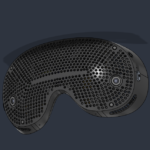


Get your tickets here for the cope train. Next stop: the future!
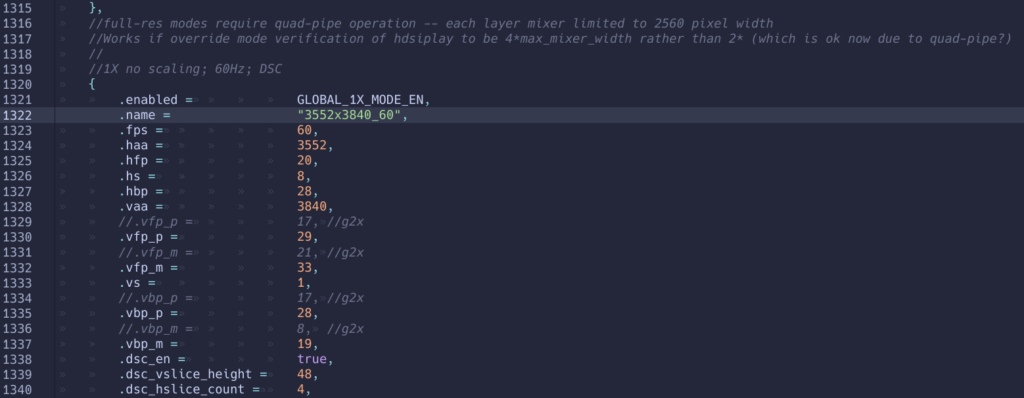
We’ll cut to the chase: Valve is working on a mid-gen refresh of the Steam Frame, codenamed “Plano”, that is mainly characterized by a pair of new displays. The panel they’re using has a resolution of 3552×3840 per eye and appears to be OLED. It supports up to 90 Hz, although Valve has been experimenting with getting 120 Hz working.
This information comes from the Steam Frame kernel source code that was recently made public by Valve, which has been kindly mirrored to GitHub by the good folks at evlaV. Among this repository are many branches, including some specifically for the upcoming Plano device. From this, we can figure out that Plano began development on the “deckard-oled” branch on December 17, 2025, ended on February 9, 2026, and then resumed on another branch called “deckard-plano” from March 3, 2026 to October 2, 2026, just a few weeks ago!
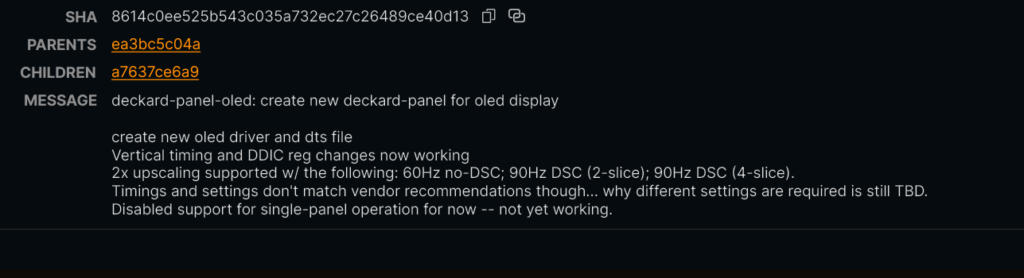
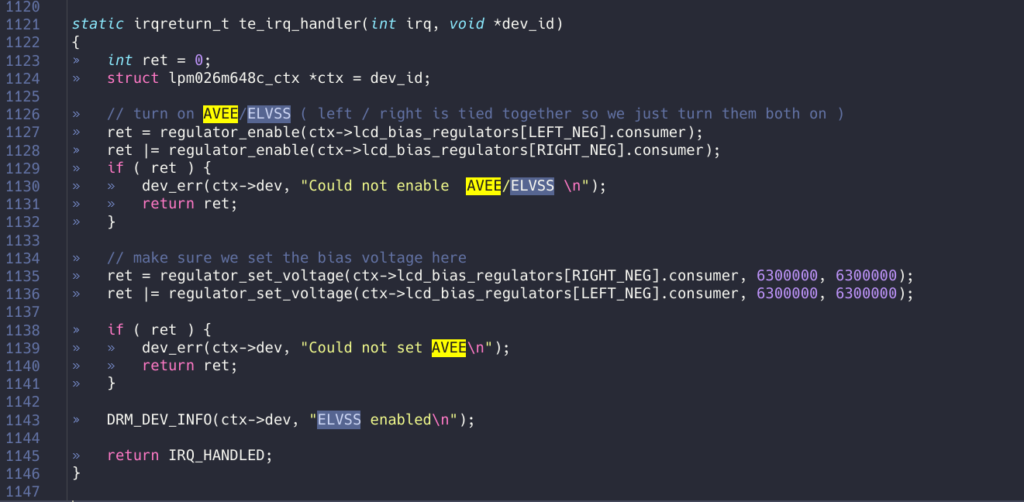
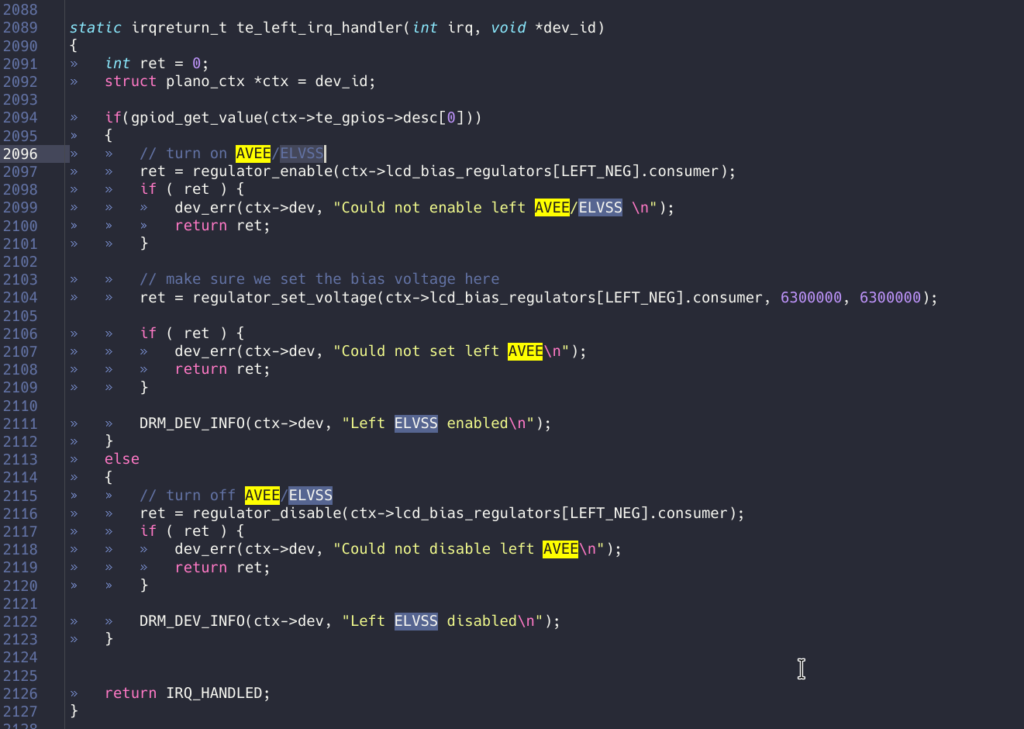
More about the displays
Judging by the 3552×3840 resolution and refresh rate of 90 Hz, we believe these are the same MicroOLED displays that were used in the Samsung Galaxy XR. In early Galaxy XR units, its panels were made by Sony, but later, Samsung would go on to make them in-house. We think the panels in Plano could realistically come from either of them, but Sony may be slightly more likely because their image sensors were used for the Arcturus Vision Camera.
Although the native pixel counts of the panels are 3552×3840, the default resolution is half that: 1776×1920. This is so that Valve can hit roughly the same performance target in games as the standard Steam Frame, because both it and Plano have the same system-on-a-chip: the Qualcomm SM8650, better known as the Snapdragon 8 Gen 3.
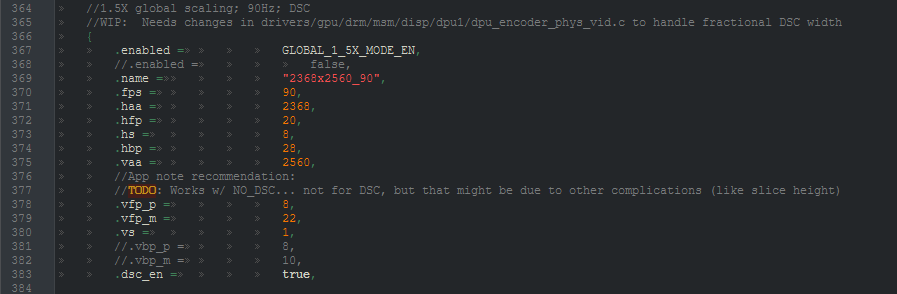
Alternatively, Plano can squeeze up to 2368×2560 in an experimental “1.5x” mode that sacrifices some performance for visual quality, at least for the time being. Valve is limited by the available display bandwidth of the Snapdragon 8 Gen 3, so certain features like 120 Hz refresh rate and full panel resolution remain a work in progress, with DSC and other optimizations potentially fixing that in the future… but all that may not be necessary due to a special feature that really makes these new panels shine:
Foveated Scaling
Valve’s secret weapon for Plano is foveated scaling, a feature that works by increasing the pixel density of the display specifically in the area your eyes are focused on… so in effect, the displays appear to be at their “native” resolution, while only using a fraction of the bandwidth and processing power needed to drive the screens at true scale.
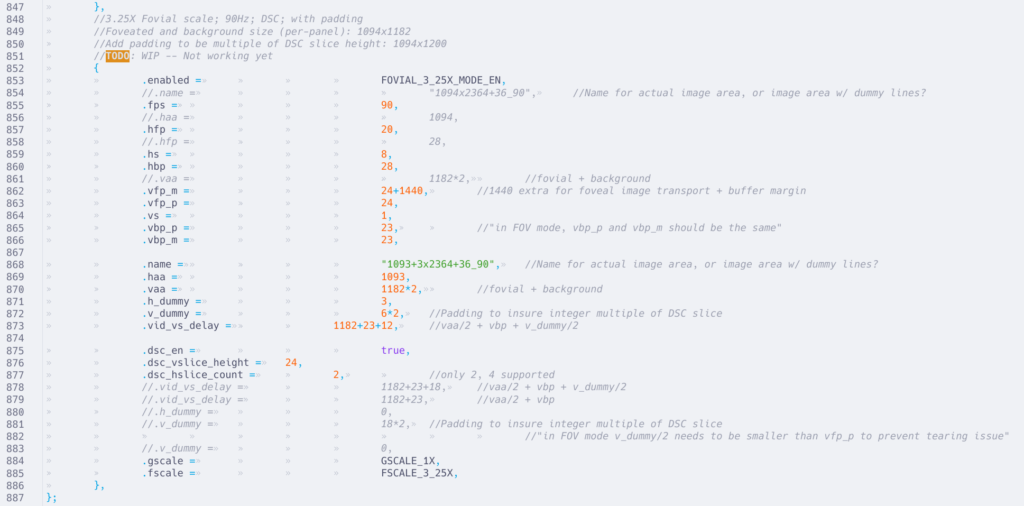
This is possible because of a feature in the display controller of the OLED panel that allows it to scale and render slices of the video input entirely in hardware, leading to lower latency and lower processing power compared to what it would cost to do it alone in software.
Foveated scaling is not to be confused with foveated rendering, which renders objects in select games at higher detail when you look at them, or foveated streaming, which is when a remote PC transmits pixel data only for the specific area you’re looking at.
Should I wait for it?
I’d say don’t hold your breath, don’t cancel your reservations, and don’t get your hopes up for it coming anytime soon. The code we looked at was very incomplete. It’s clear that Valve still has a lot to figure out with Plano before they can ship it. I personally think we won’t see it until late next year at the earliest.
And what about the price?
The economy being what it is right now, it’s really hard to say. It’s possible that it might be around what the Galaxy XR costs, if not maybe a little bit higher than that.
Conclusion
When the Steam Frame was announced last November, I still remember the voices of all the higher-tier enthusiasts crying out for better resolution and MicroOLED displays. And with these new findings, it looks like their prayers are due to be answered.
Thank you to Ivy for helping with research for this article and helping me explain some of the more technical details.
UPDATE: Swapped out a few screenshots for ones that are easier to read.